







The Housing Market Crash of 2008 vs the Housing Market of 2022
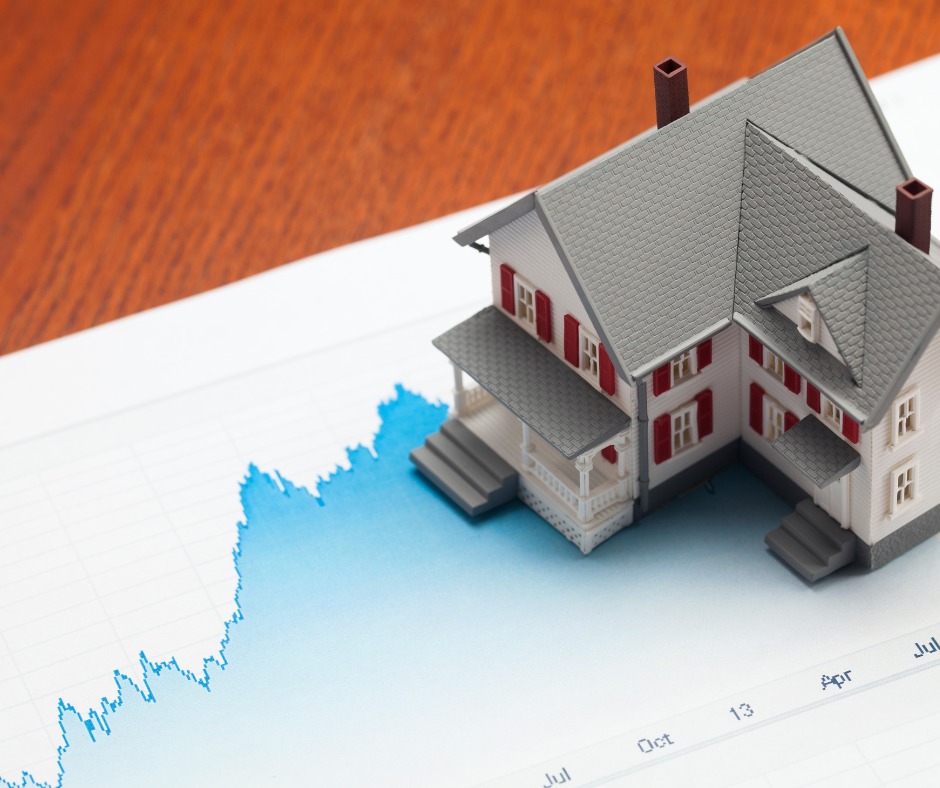
With the unprecedented rise of home prices over the last year, it’s no wonder consumers are left wondering whether a repeat of the 2008 housing collapse is on the horizon. While there are some similarities between the 2008 housing market and the market we are currently experiencing, the differences between these two markets are what is even more essential in understanding and accurately predicting the housing market’s current trajectory. We will dive into these key differences and explain why a total housing collapse is unlikely.
Mortgage Lending Practices: 2008 vs 2022
Mortgage lending practices are perhaps one of the biggest indicators that we are most likely NOT headed for a housing market crash. Today, the U.S. housing market is in much better health, thanks to the stricter lending regulations that were put in place after the 2008 economic collapse. In the years leading up to 2008, the standards that had historically been in place to ensure a borrower was well-qualified for the mortgage they applied for had essentially melted away. Back then, the underwriting process was sub-par, and at times practically non-existent; large loans were given to borrowers with bad credit and even no credit, and in amounts that in reality, the borrowers had no way of paying back. Predatory lending was rampant during the early 2000s, and unsophisticated buyers didn’t realize the mortgages they were obtaining would be virtually impossible to repay. In 2007, over 13 million ARMs (adjustable-rate mortgages) were outstanding and represented about 36% of all borrowers, and the average time before the rate was increased was 3-5 years. Today, ARMs are not only underwritten to their fully indexed interest rate but more than 80% are priced with a fixed rate for the first seven to ten years. This means borrowers have much more time and flexibility to refinance into a fixed-rate mortgage before that price increase hits. Additionally, the number of ARMs currently facing higher rate resets is much lower today, sitting at roughly 1.4 million ARMs, as opposed to the over 13 million in 2007.
Home Values and Equity
If you’ve never heard of the term loan-to-value ratio (LTV), it refers to the amount of your mortgage loan as compared to the value of your home. Historically, the standard LTV for many years was 80%, meaning a borrower had 20% invested in their property, generally due to a down payment, and the remaining 80% of the home value was financed through a mortgage. However, those standards started to relax, and in the years leading up to the 2008 financial collapse, lenders were giving loans with LTVs of 100% and even as high as 115%! That meant that borrowers had zero equity or even negative equity in their homes. That is a dangerous spot in which to find yourself, as many came to realize. Unable to make their mortgage payments, and unable to sell the property due to being underwater (when you owe more on your home than it’s worth), many people defaulted on their mortgages and the banks repossessed their homes. Fortunately for buyers today, they are unlikely to find themselves in that tough situation as banks and lenders have gone back to requiring down payments on the majority of loans, with the average down payment around 6%. That makes for another key difference between 2008 and 2022… you won’t automatically be underwater with a mortgage that is more than the value of your home.
Home Inventory
Back in 2008, there was a surplus in the inventory of available homes. There were more homes on the market than there were buyers, which inevitably resulted in a saturated market and eventually sent home values tumbling due to so much competition. Today is a different story; there is a housing shortage across the country, and that problem doesn’t show any signs of letting up anytime soon; therefore, it is unlikely that we will see a drop in home values. The continued trend of rising home prices is sure to level off with the rising interest rates; however, we don’t anticipate the majority of people losing value in their homes due to the sheer demand.
Long-Term Housing Outlook
The events of the years leading up to 2008 resulted in a perfect storm; a culmination of factors occurring at the same time, which is highly unlikely to repeat itself. Rather than the economic collapse we experienced back then, experts believe we are in for a market correction, rather than a crash. The rate at which we saw home prices soar in the last couple of years is unsustainable, which is why the prices will most likely level off and continue to increase at a historically normal pace, rather than the leaps and bounds it has been making up until now. However, the Triangle area is one of the most “in-demand” housing markets in the country, so we could see prices continue to climb, although not at the fever-pitch pace we had in 2021-2022.
The bottom line is DON’T PANIC! We are unlikely to see any sort of housing crash, just a return to a more historically normal market that corrects itself, rather than collapses on itself.